Nutrition & Cooking Guides
Explore our comprehensive collection of articles, recipes, and educational content designed to help you build healthy eating habits and master the fundamentals of nutritious cooking.
The information on this site is for educational purposes only and does not constitute medical advice. Always consult a qualified healthcare professional before making health decisions.
Filter by Topic
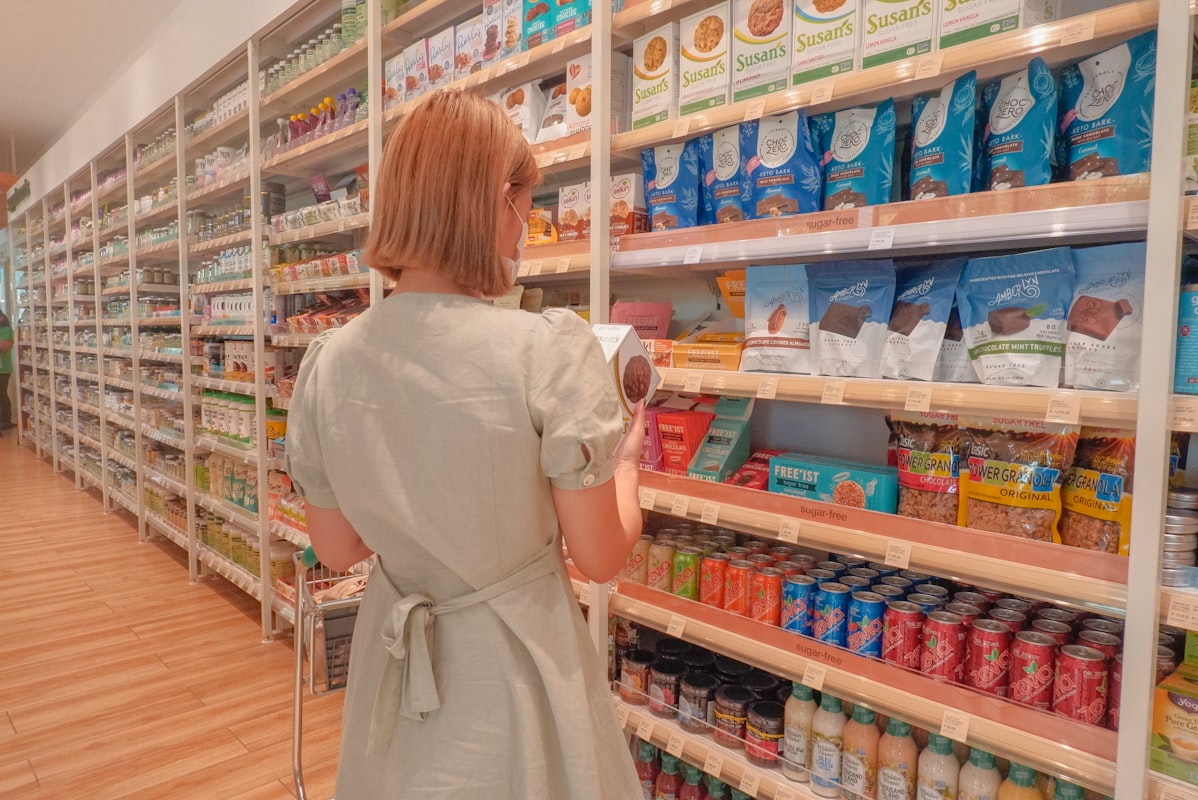
Essential Cooking Techniques
Master fundamental cooking methods including sautéing, steaming, roasting, and grilling. Learn how proper techniques preserve nutrients and enhance natural food flavors.
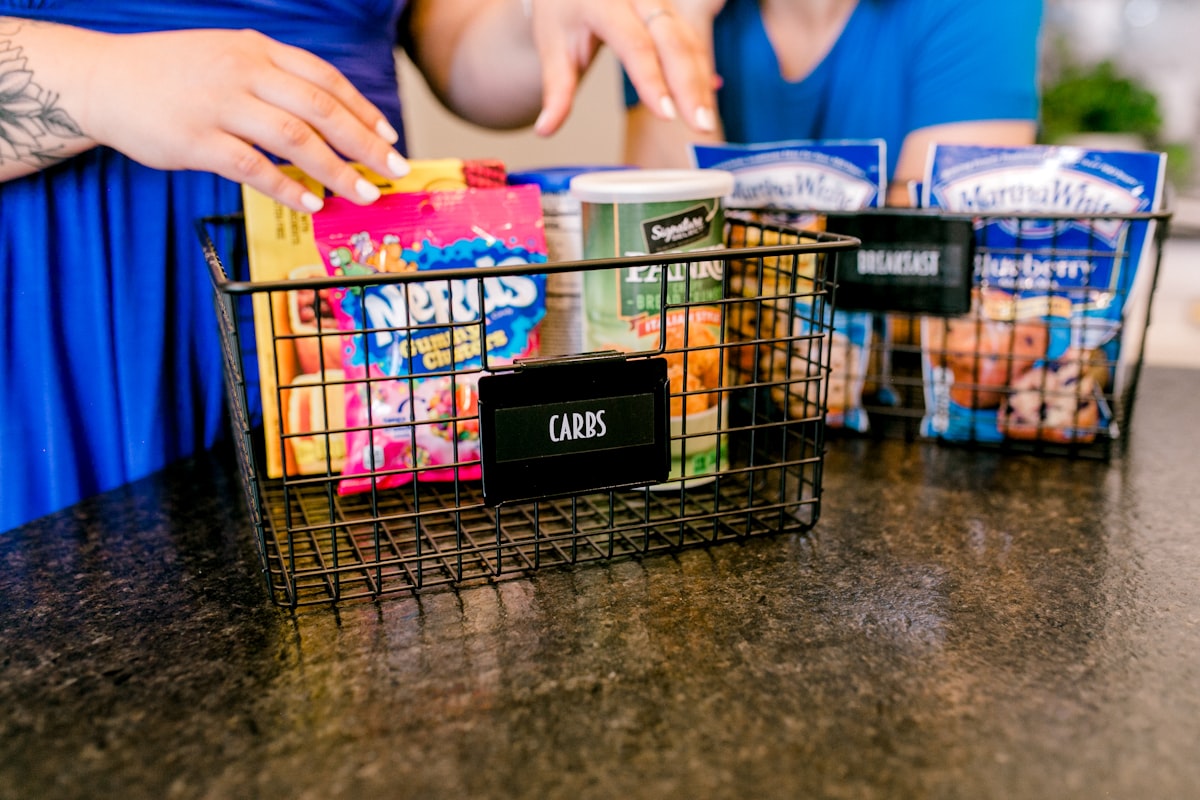
Building Balanced Plates
Understand the components of a nutritious meal with our guide to proportions and food groups. Learn how to combine proteins, vegetables, whole grains, and healthy fats effectively.
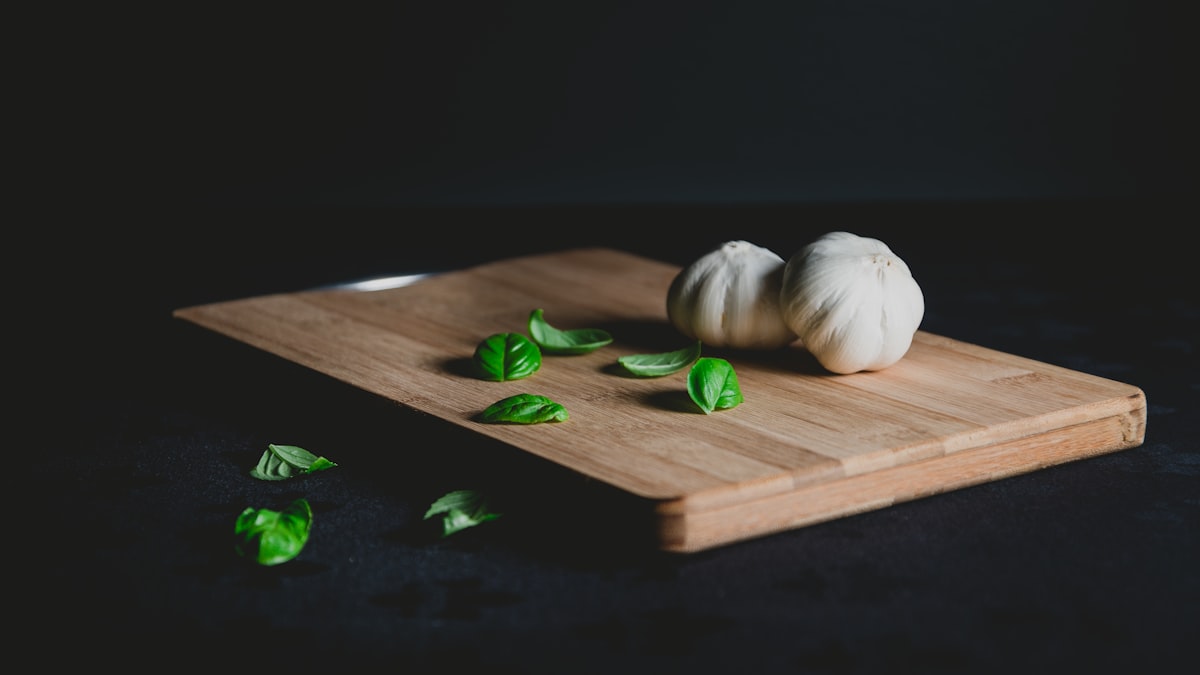
Meal Preparation Strategies
Discover practical approaches to planning, shopping, and preparing meals in advance. Save time during the week while maintaining nutritious, home-cooked meals for your family.
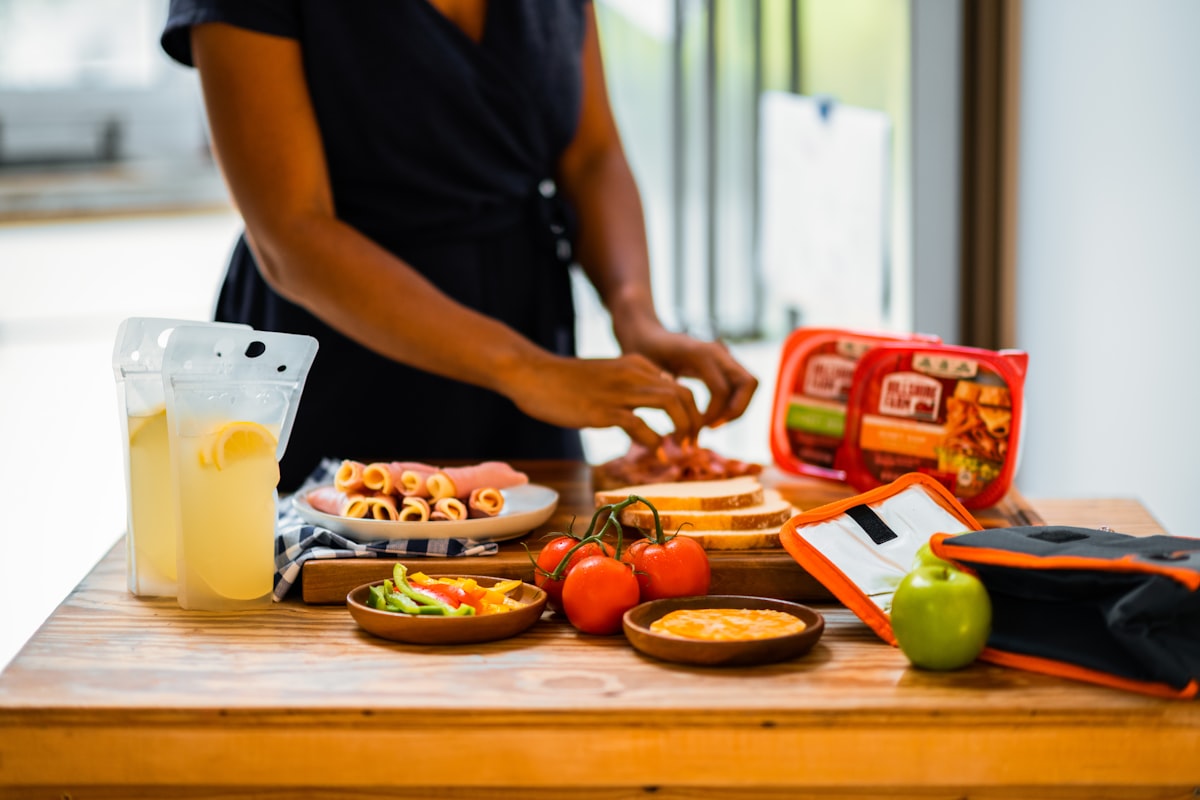
Whole Grains & Complex Carbohydrates
Explore the variety of whole grains available and how to incorporate them into daily meals. Learn about quinoa, brown rice, oats, barley, and other nutrient-dense grain options.
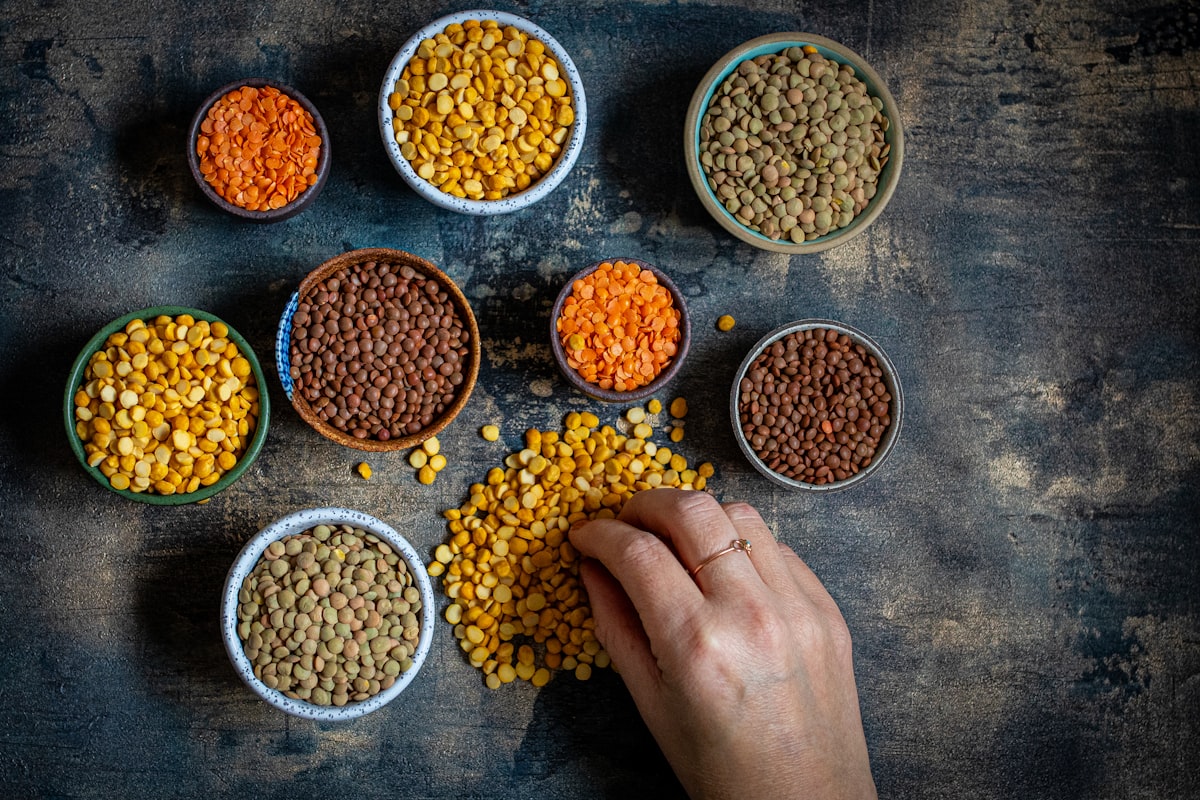
Vegetable Preparation & Cooking
Master techniques for selecting, storing, and preparing fresh vegetables. Discover cooking methods that preserve color, texture, and nutritional value while enhancing natural flavors.
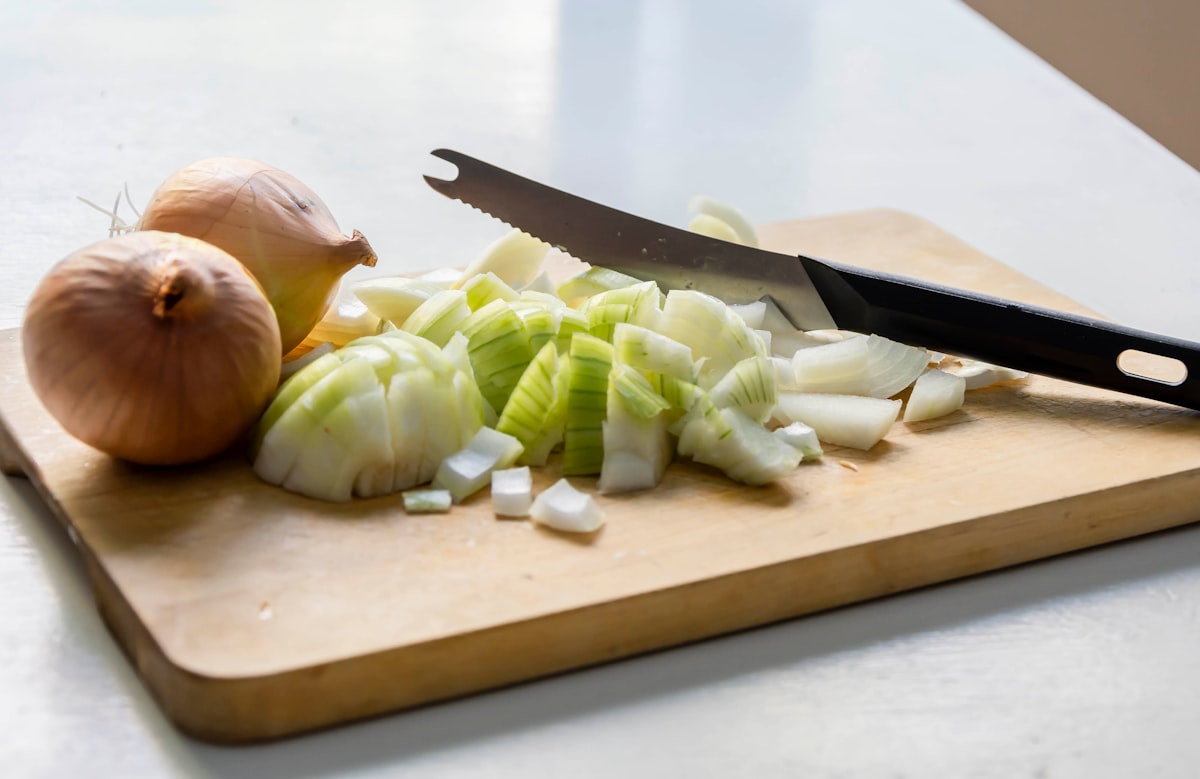
Protein Sources & Preparation
Understand plant-based and animal protein options and learn optimal cooking methods for each. Explore legumes, fish, poultry, eggs, dairy, nuts, and seeds for balanced nutrition.
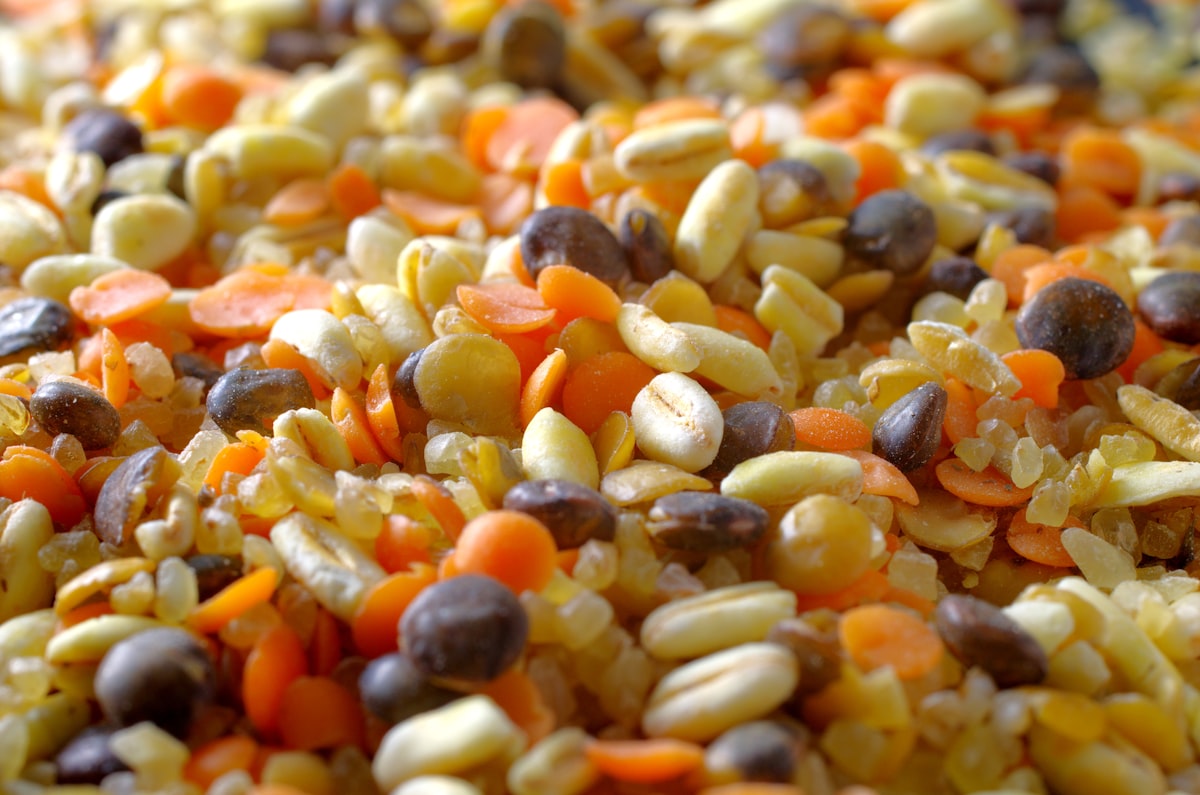
Healthy Fats in Cooking
Learn about different cooking oils, their smoke points, and best culinary uses. Discover the benefits of olive oil, avocado oil, coconut oil, and other fat sources in building nutritious meals.
Seasoning & Flavor Fundamentals
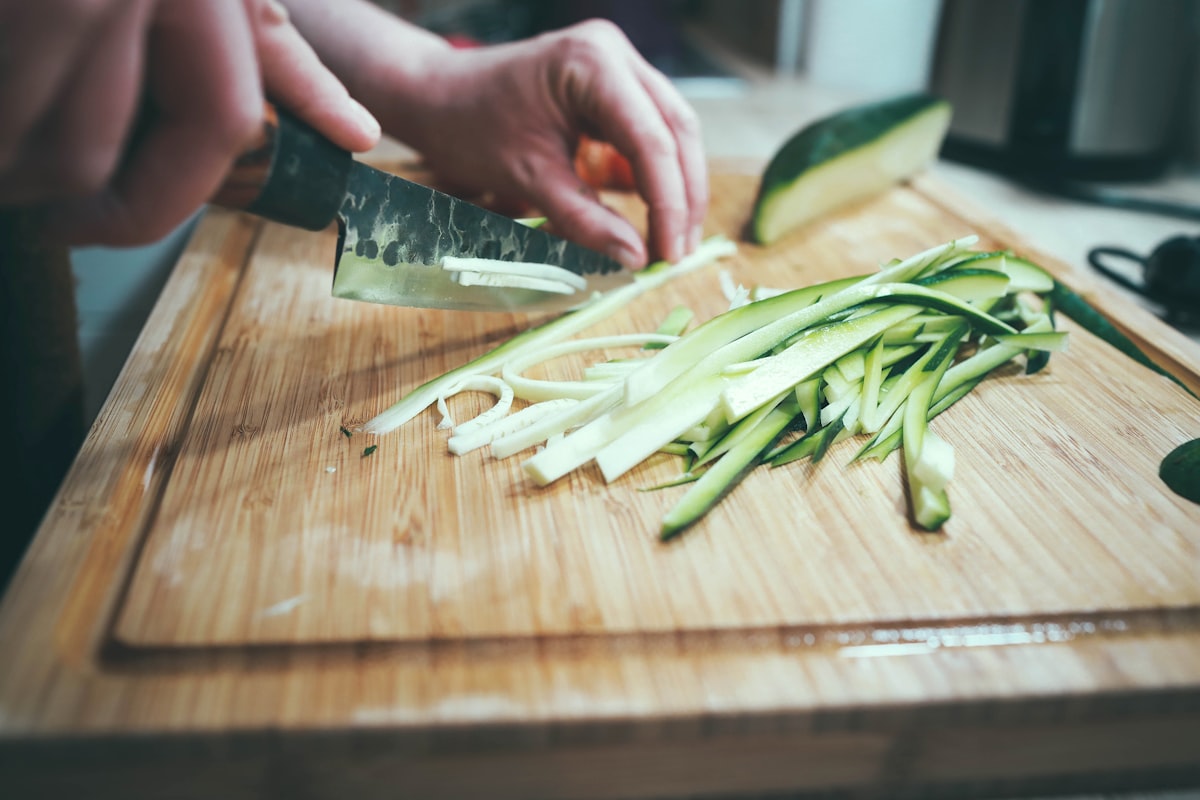
Master the art of enhancing dishes with herbs, spices, and aromatics. Create bold, satisfying flavors using natural seasonings without relying on excessive salt or processed condiments.
Featured Articles
Explore our most popular guides and in-depth articles on nutrition, cooking techniques, and healthy eating habits.
Weekly Meal Prep Fundamentals
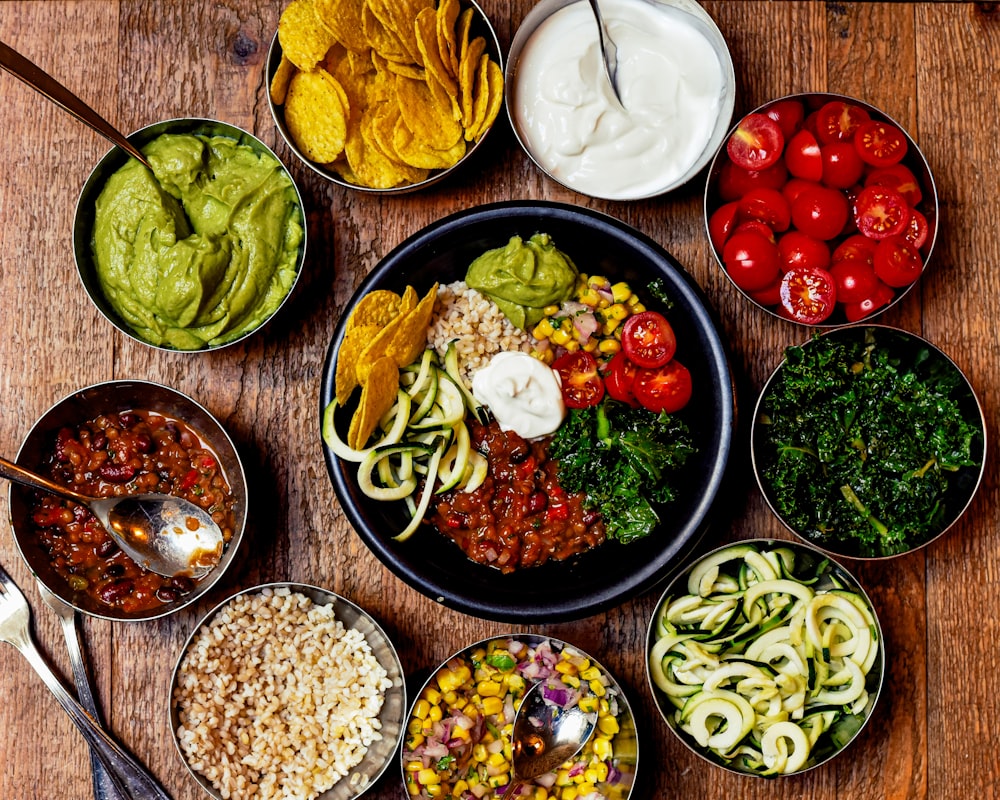
A complete beginner's guide to planning, shopping, and preparing meals for the entire week. Includes practical tips for storage, portion control, and maintaining variety in your meals.
Quick & Nutritious Weeknight Cooking
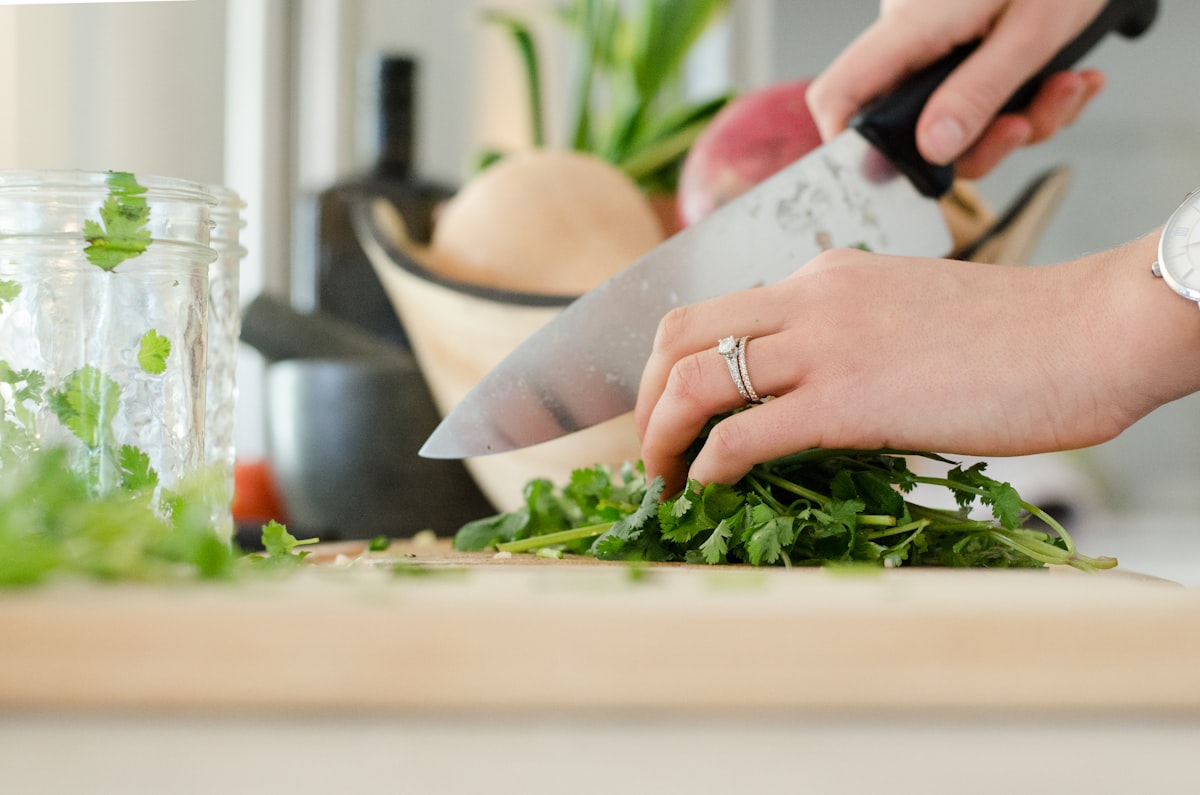
Simple techniques and strategies for creating balanced, healthy meals in 30 minutes or less. Perfect for busy schedules while maintaining wholesome, home-cooked nutrition for your family.
Why Explore Our Guides
Comprehensive Resources
Detailed articles covering nutrition fundamentals, cooking techniques, and practical strategies for healthy eating.
Practical Techniques
Step-by-step instructions and real-world tips for applying nutrition knowledge in your daily cooking routine.
Science-Based Content
Information grounded in nutritional science and evidence-based cooking practices for optimal food preparation.
Practical Inspiration
Real examples, meal ideas, and actionable advice to help you build sustainable, healthy eating patterns.
Frequently Asked Questions
Meal planning involves deciding what meals you'll eat throughout the week, creating shopping lists, and organizing your ingredients. Meal prep is the actual cooking and preparation of those meals and components in advance. Both work together to make healthy eating more convenient and sustainable.
Use minimal water during cooking, avoid overcooking, and maintain appropriate heat levels. Steaming, roasting, and quick sautéing are particularly effective. Eat vegetables as soon as possible after cooking, and avoid prolonged storage of prepared vegetables before eating. Some vitamins are water-soluble, so minimal cooking liquid helps retain nutrients.
Different oils have different smoke points—the temperature at which they break down. Extra virgin olive oil is best for low-heat cooking and dressings. Avocado oil and refined coconut oil work well for medium-heat cooking. For higher-heat cooking like stir-frying, use oils with higher smoke points. Our detailed guide covers each oil's properties and best uses.
A simple visual guideline is to divide your plate into quarters: one quarter protein, one quarter whole grain, and half vegetables. This balance ensures adequate protein for satiety and muscle maintenance, fiber from whole grains, and micronutrients from vegetables. Adjust portions based on individual needs and activity level.
Most cooked meals safely store for 3-4 days in the refrigerator. For longer storage, freeze portions in airtight containers. Raw vegetables can last 5-7 days when properly stored. Prepare components separately when possible—raw vegetables last longer than cooked ones. Always ensure food is cooled before refrigerating to maintain quality.
Browse our Recipe Collections section for step-by-step recipes featuring the techniques and ingredients discussed in our articles. Each recipe is designed to illustrate practical applications of nutrition fundamentals and cooking methods. You can also contact our editorial team for specific recipe recommendations or cooking questions.
Deepen Your Nutrition Knowledge
Explore our complete collection of articles, recipes, and guides to build healthy cooking skills and sustainable eating habits.